The Challenge: What am I Solving?
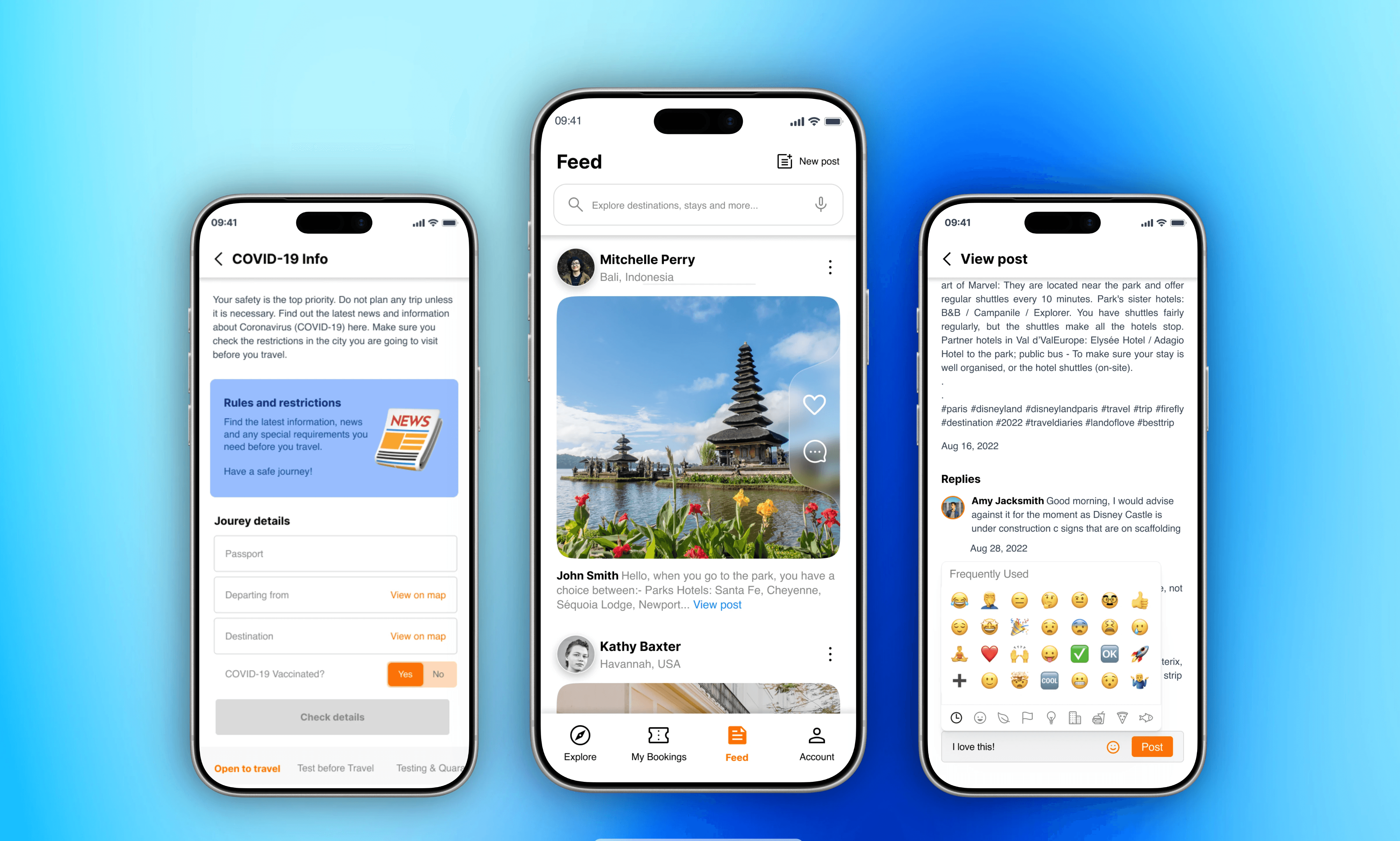
Users were frustrated switching between multiple platforms for travel planning and getting pandemic information for the cities they are planning to travel. This project wasn’t just about designing an app. It was about understanding how people plan trips, what stresses them out, and how technology can make it easier.
Why this needed solving?
No single platform offering booking, pandemic regulations, and social engagement.
Travellers had difficulty finding updated travel restrictions in one place.
Users felt overwhelmed by fragmented booking flows and inauthentic travel content.
Solution
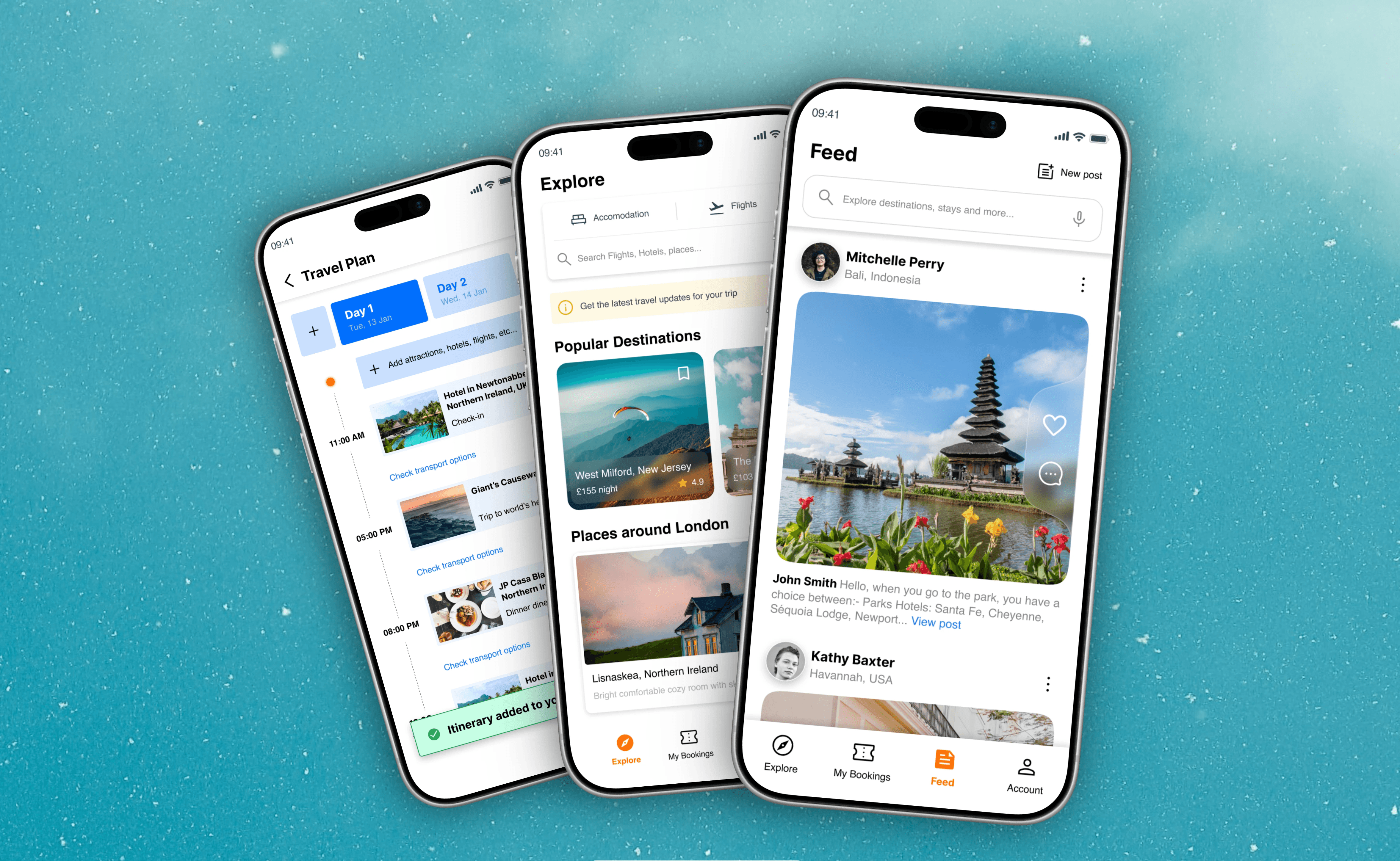
A single travel companion app that brings together booking, itinerary planning, and trusted peer reviews into one simple flow. The aim was to reduce the stress of planning trips by making everything feel more connected and less fragmented.
Through features like real-time travel updates, content-driven discovery, and a mobile-first layout, the app gave users clarity while still leaving space for inspiration. By blending practical tools with a social layer, Firefly turned planning into an experience that felt both reliable and human.
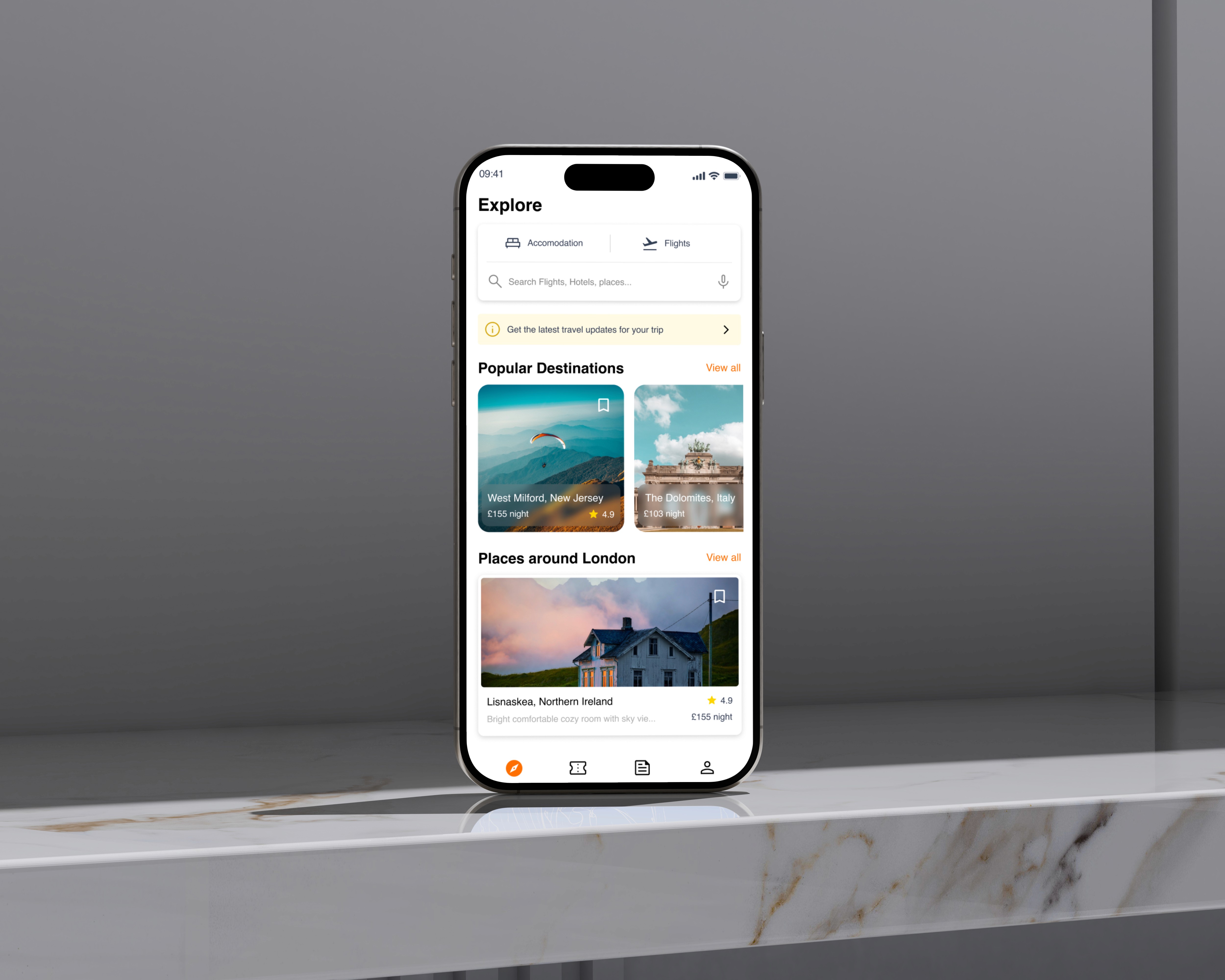
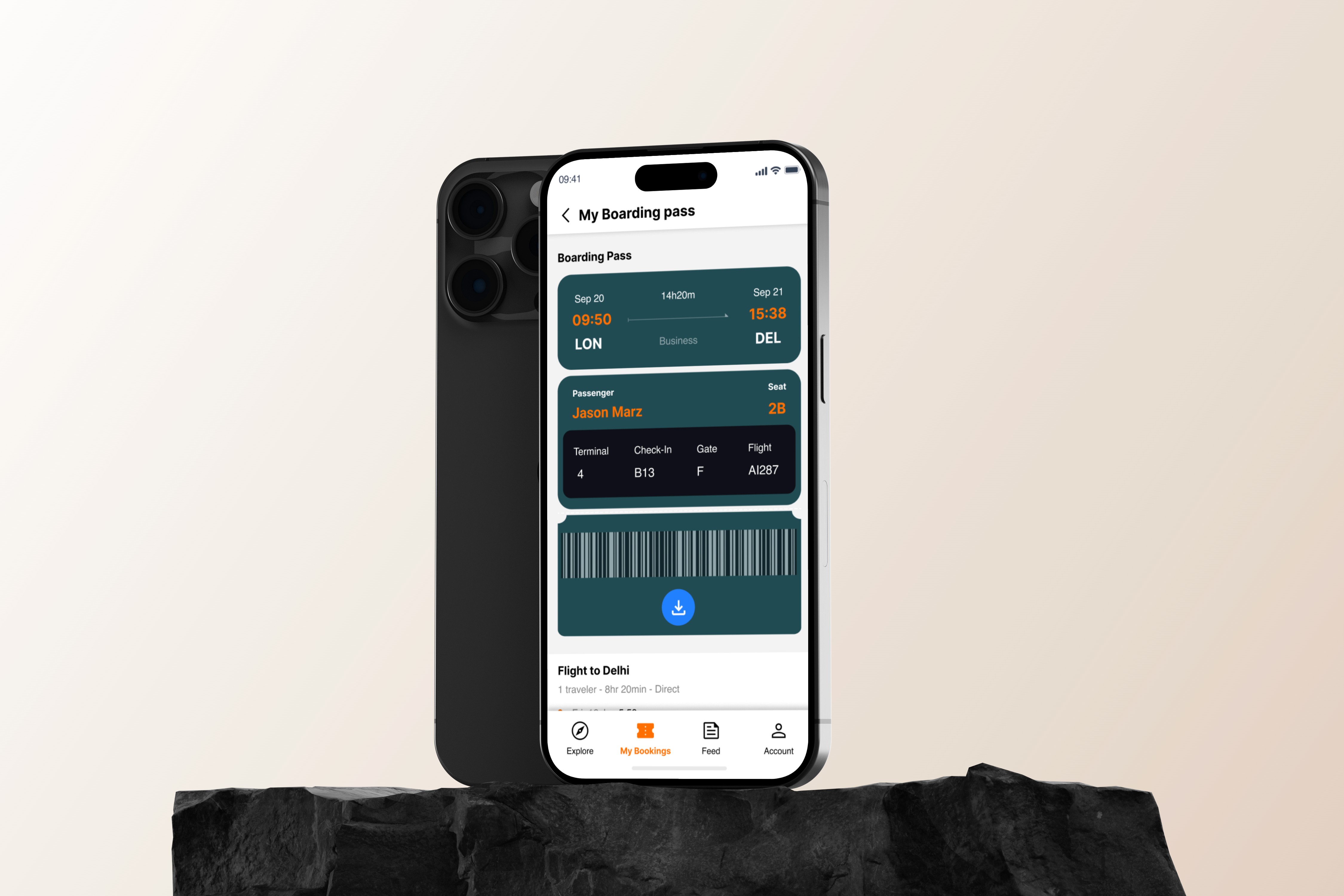
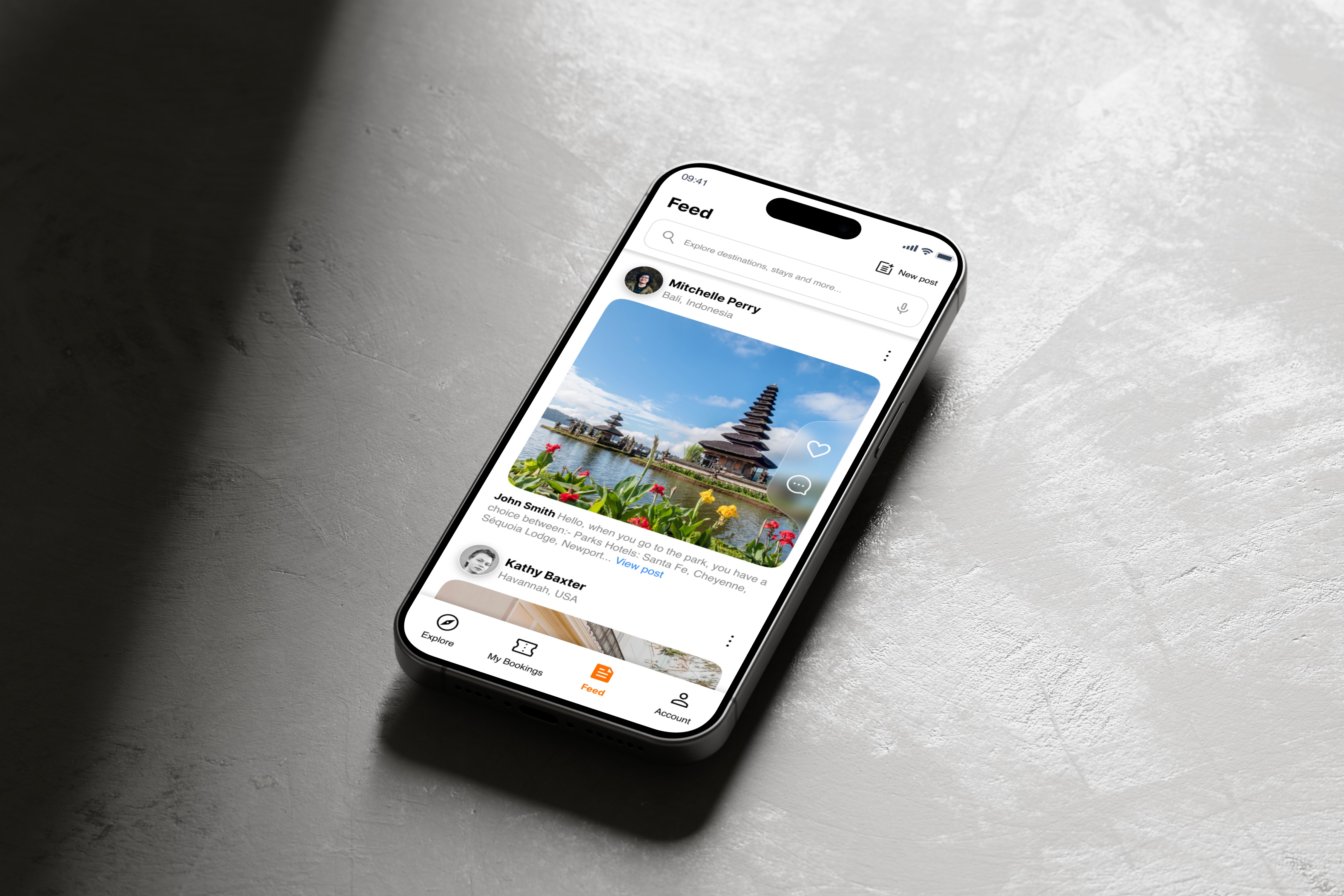
All-in-one Platform
All in one platform that has travel, accommodation and experience bookings in one place
Real time updates
Provides real time updates on global news and any changes implemented by the respective countries
Content driven discovery
Enabling community posts and videos based on the behaviours that emerged post pandemic
Output
The final prototype helped demonstrate how a travel platform could bridge functional needs with emotional ones, supporting users not just in booking, but in building confidence and excitement for their trips.
The project was well-received during my MSc presentation, showing clear potential for real-world application. Beyond the academic outcome, it also shaped how I think about designing for uncertainty and community-driven trust in digital products.
Everything led to
+2x
Improved user satisfaction scores by 2x (feedback from usability testing sessions).
+30%
Test users spent 30% longer exploring curated content vs regular booking apps.
My Design Approach: Focusing on Daily-Use Scenarios
Before diving into design, I wanted to understand what truly makes travel planning stressful and where people lose confidence along the way. This project became an exploration of how research, iteration, and testing could turn those everyday frustrations into a smoother, more human experience.
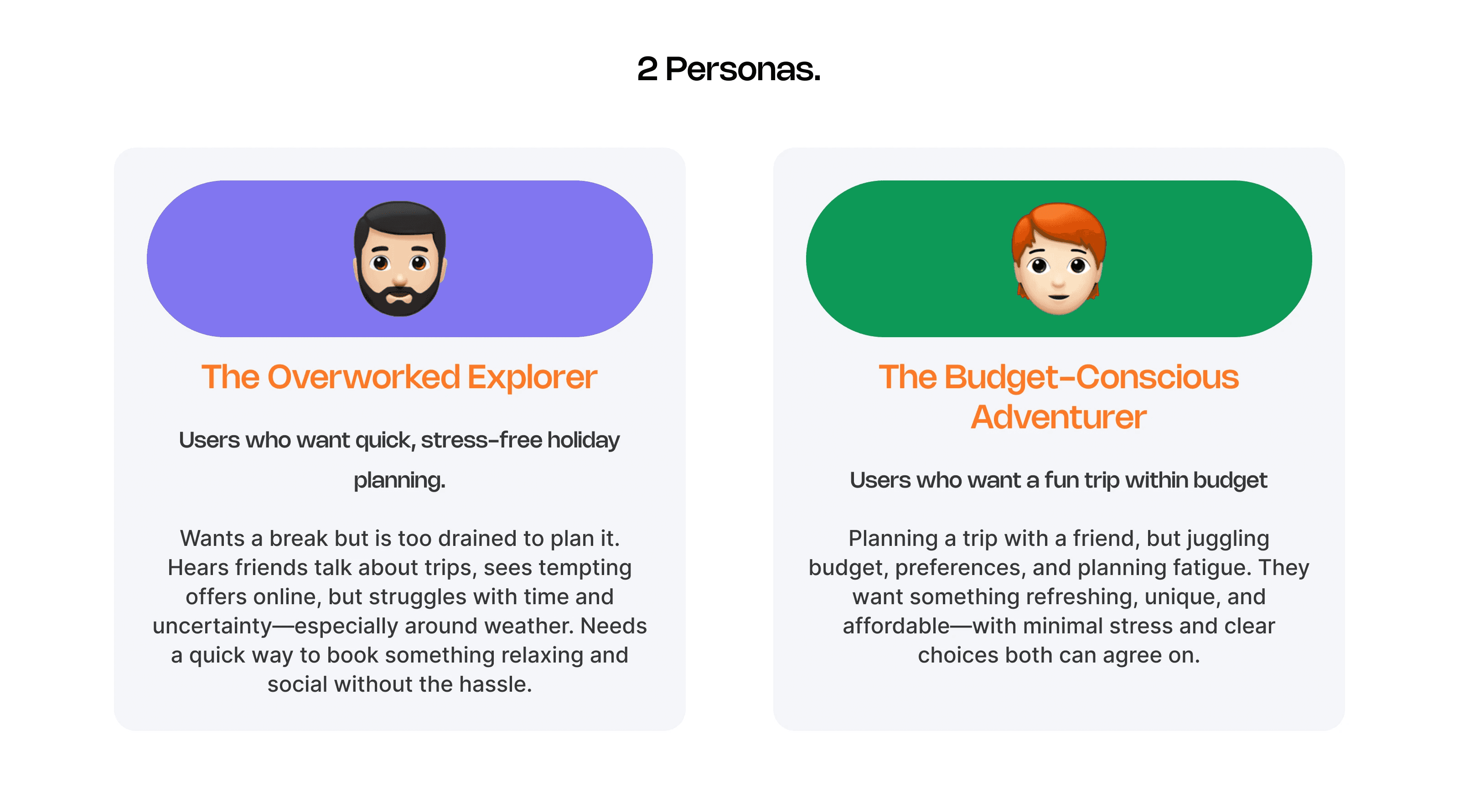
1. Spotting the hurdles
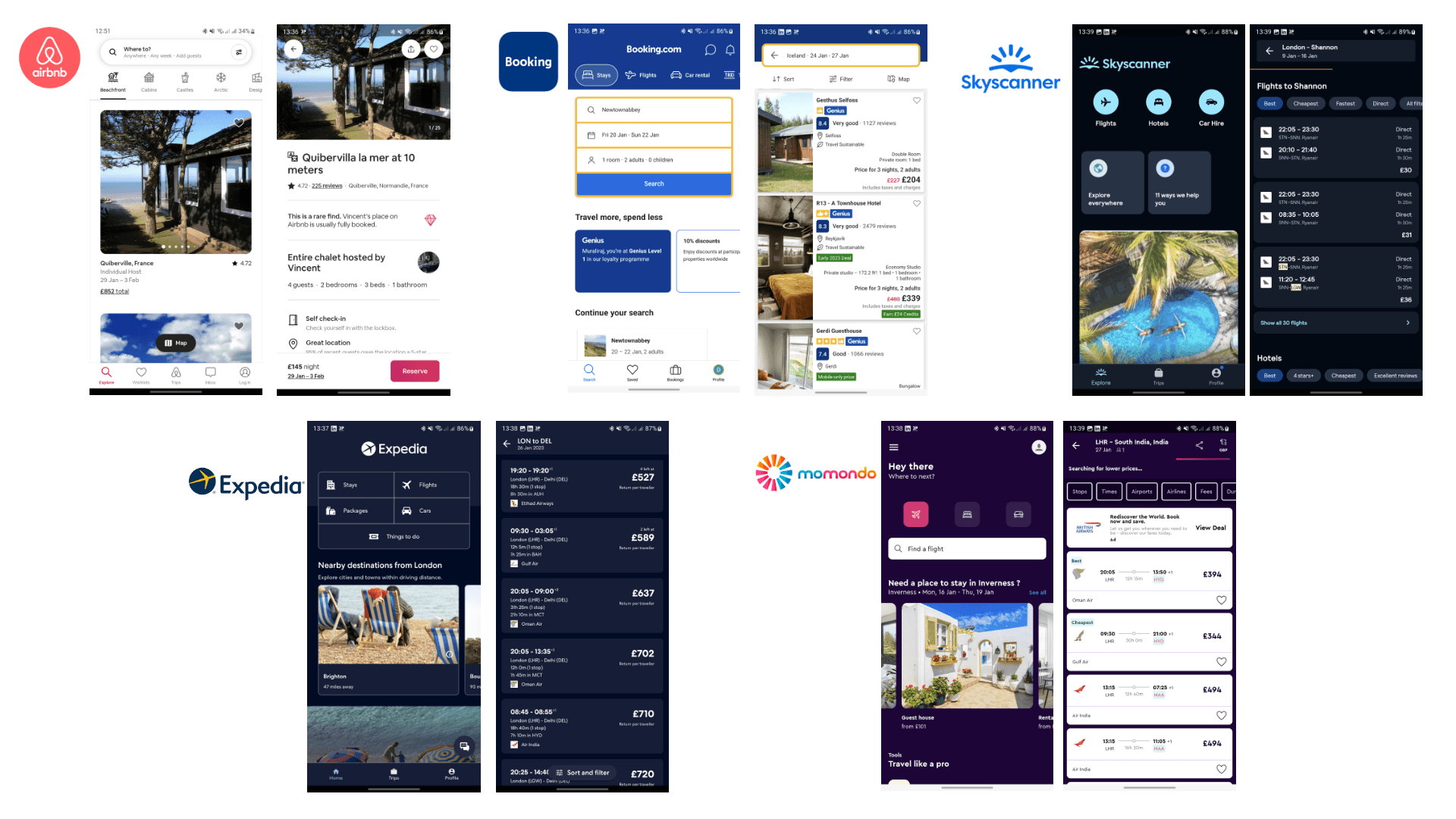
I started this project by talking to travellers, students, friends, and frequent flyers to understand how they actually plan trips. Very quickly, I noticed the same frustrations coming up again and again: juggling multiple apps, struggling to keep track of bookings, and not knowing which reviews to trust. These conversations helped me see the real gap wasn’t just about missing features, but about the lack of a single, trustworthy place to plan with confidence.
2. Shaping the problem
With those insights, I began shaping the idea of Firefly — a travel companion that could handle both the functional and emotional sides of a journey. I mapped user scenarios, sketched flows, and imagined what the first moments in the app should feel like. The goal was always to make planning simpler without losing the excitement and curiosity that comes with travel.
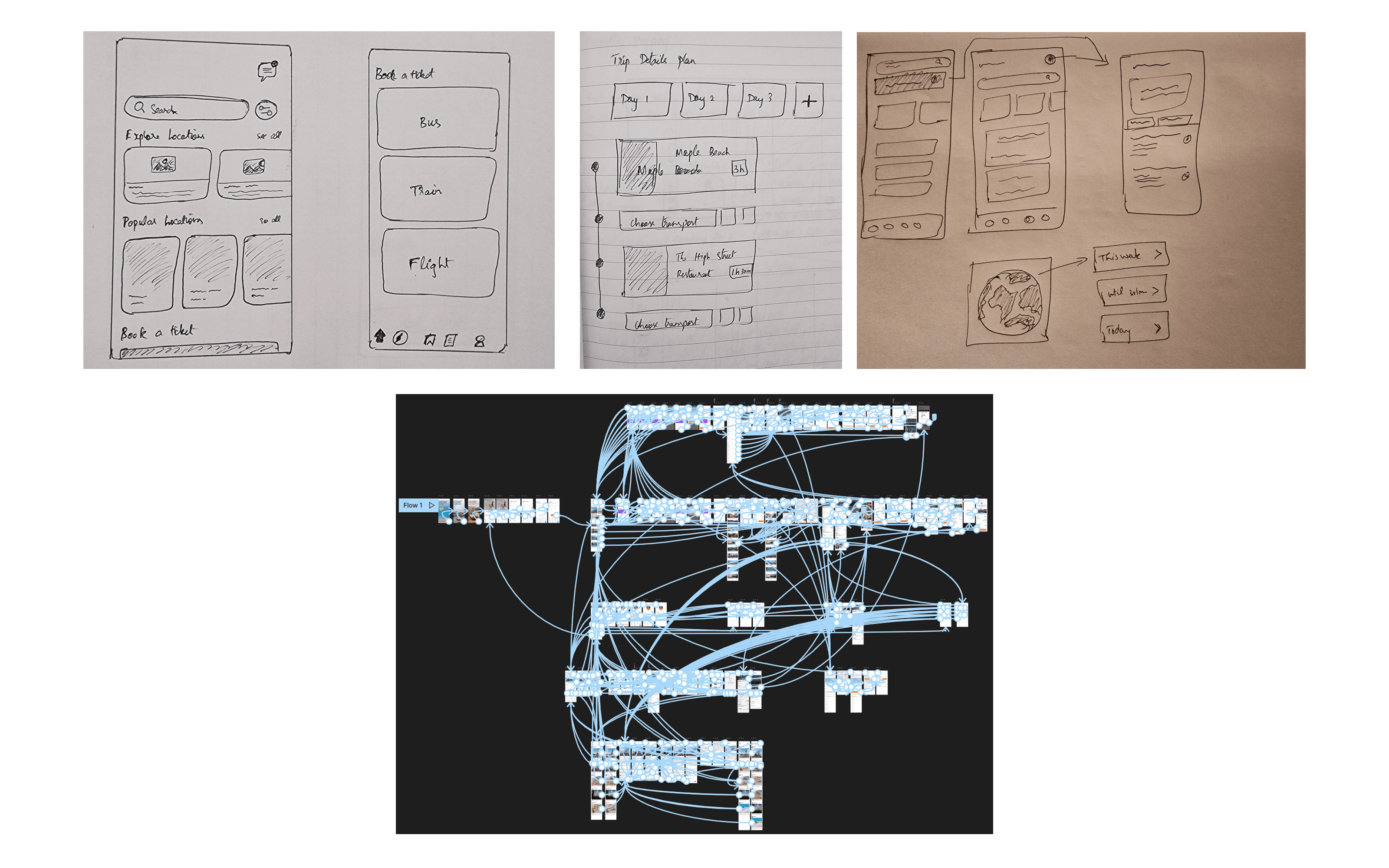
3. Ideating solutions
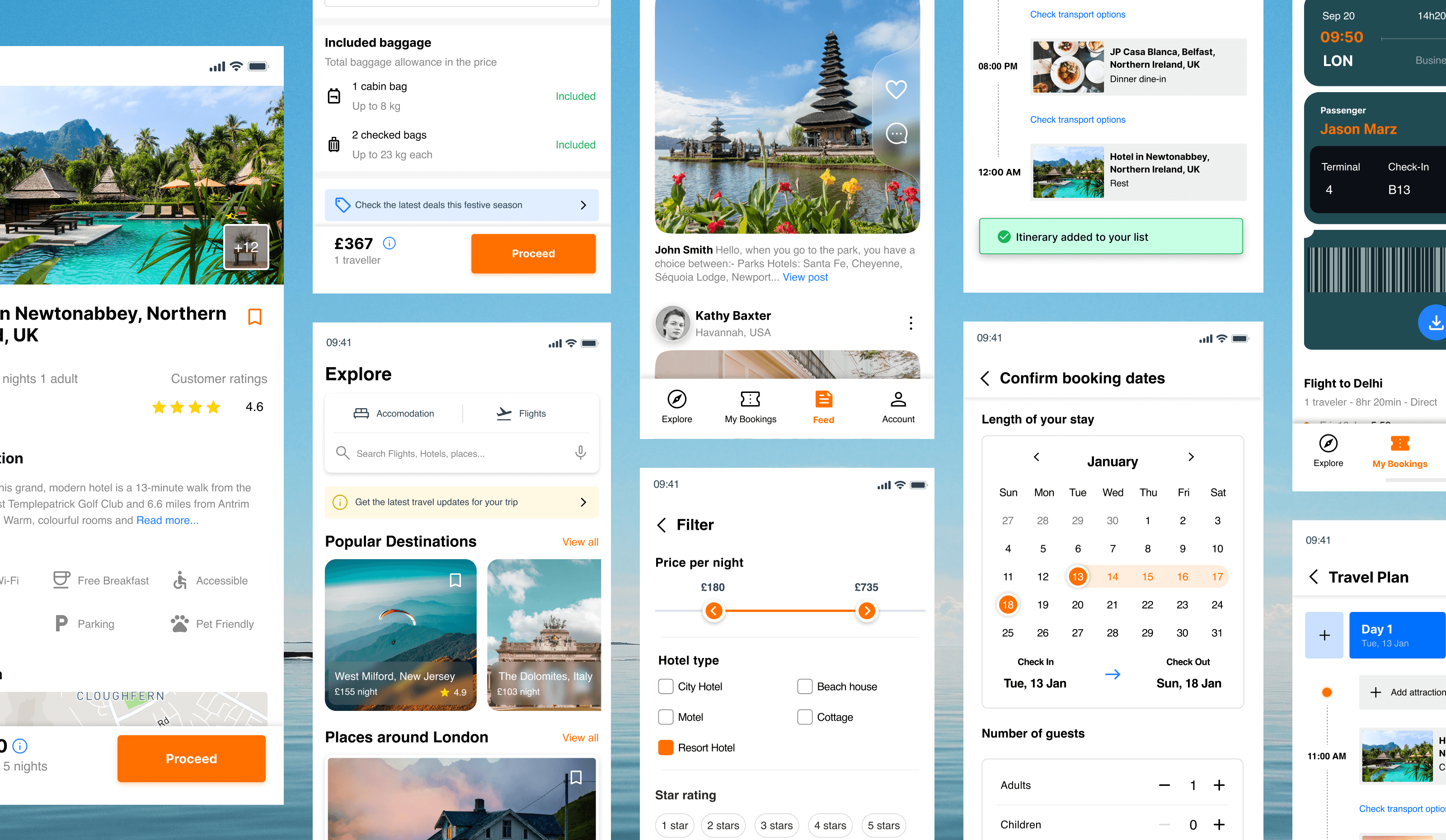
From there, I moved into designing and prototyping in Figma. I started with quick sketches, then built up to interactive prototypes that focused on smoother booking flows, easy itinerary customization, and a new way of showing peer reviews that felt both credible and friendly. Each iteration helped me strip away unnecessary steps and find a clearer balance between efficiency and warmth.
4. Testing with users
To bring it all together, I tested the prototype with real users. Their feedback showed me where things clicked — like the trip summaries that made people feel more organized — and where they needed extra guidance, such as scanning peer reviews. Iterating on these details helped me refine Firefly into something that didn’t just work better, but also felt better to use.
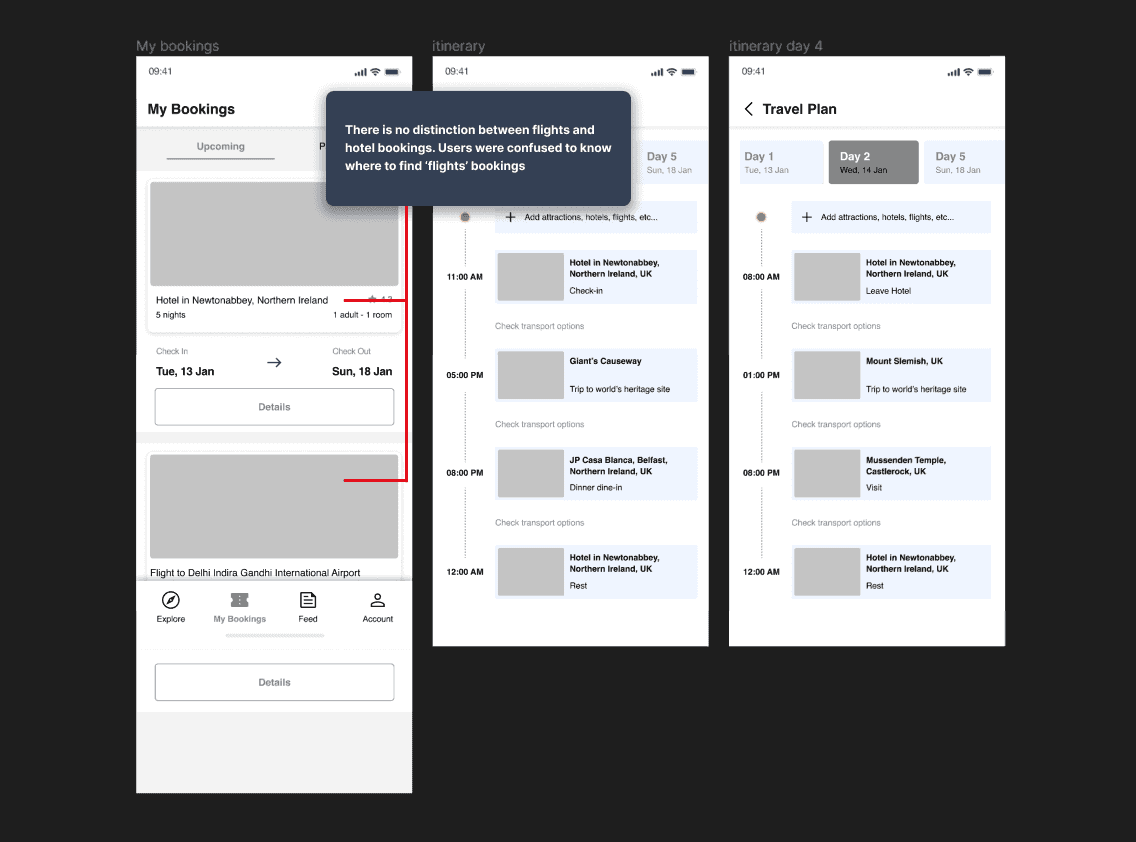
Issues identified during usability testing and iterations
1.
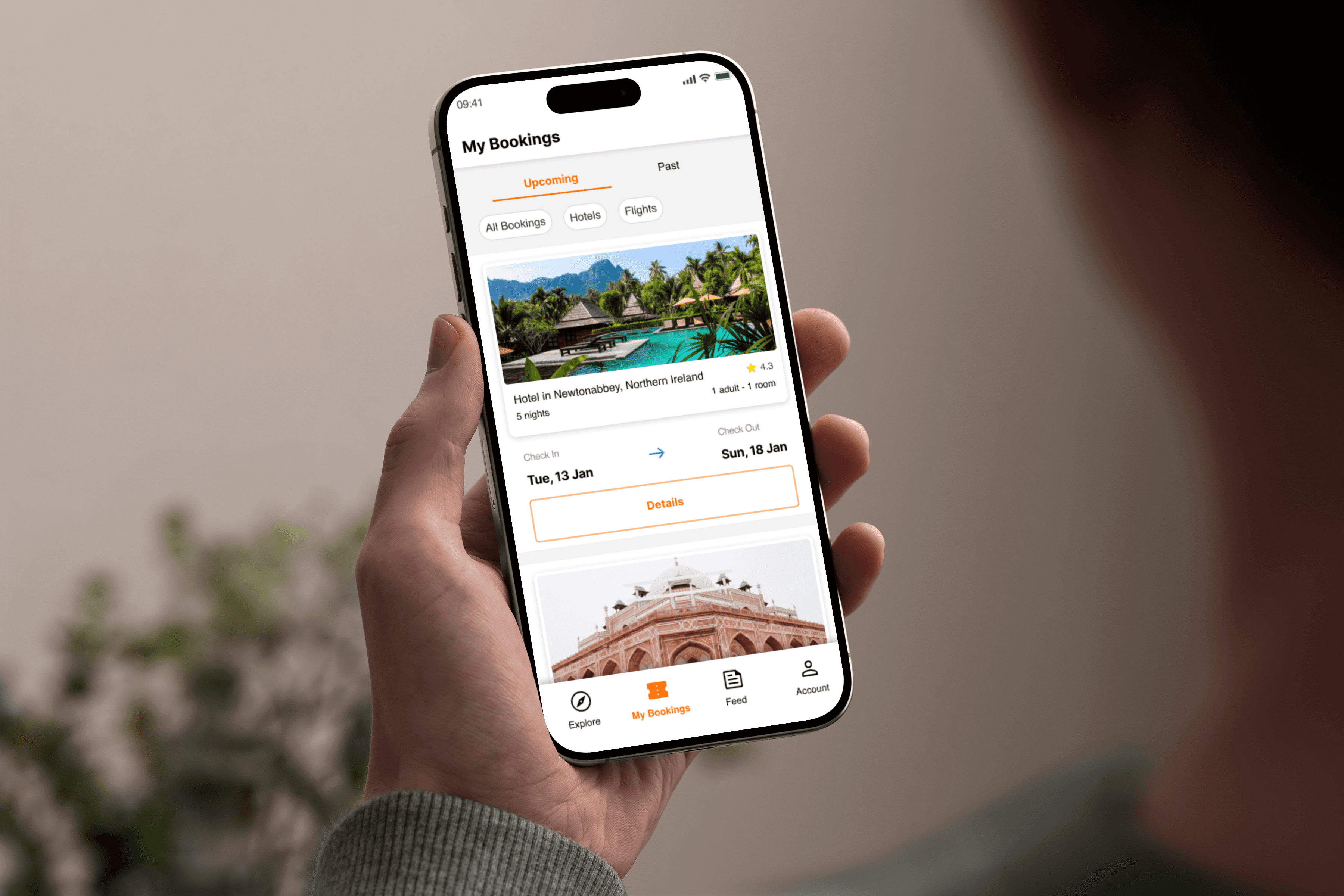
Here, users reported that they were unable to distinguish between flight and hotels booking under the bookings section. This caused a clear confusion in visual representation of the booked items. This section was then revisited and redesigned keeping the feedbacks in mind.
A reference of the redesigned screen.
2.
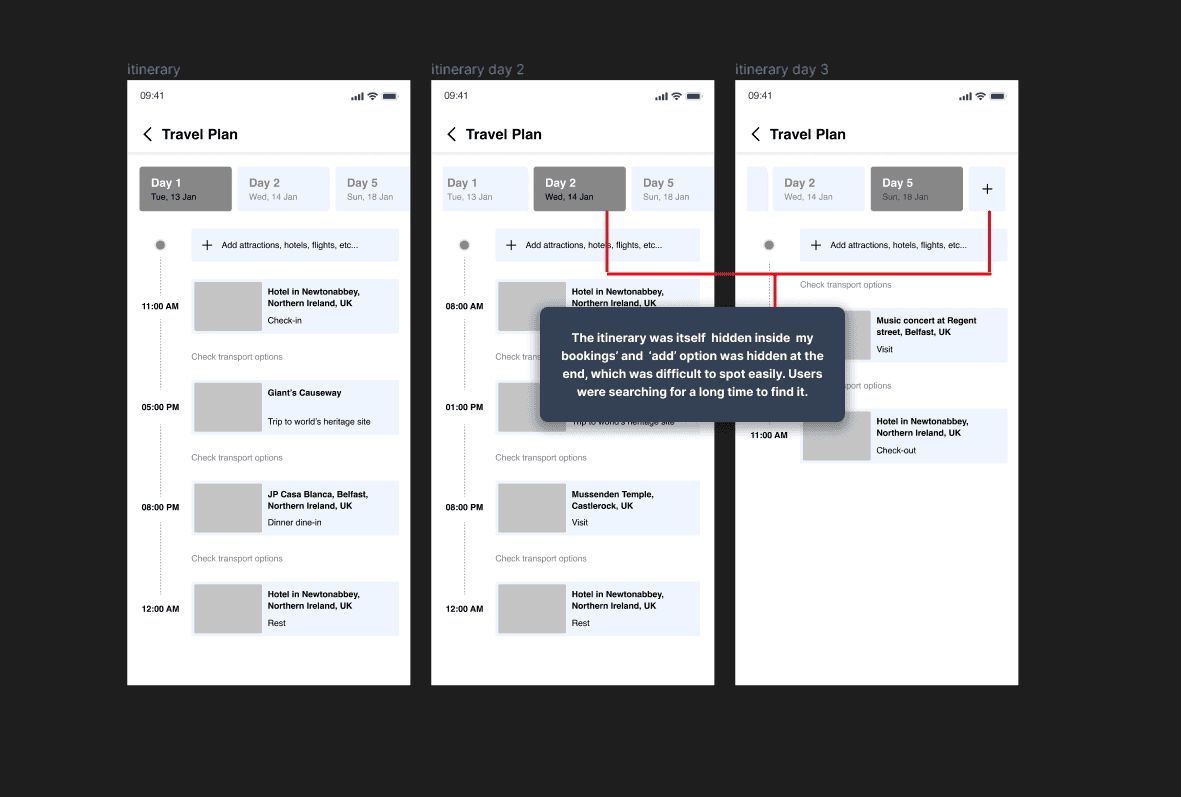
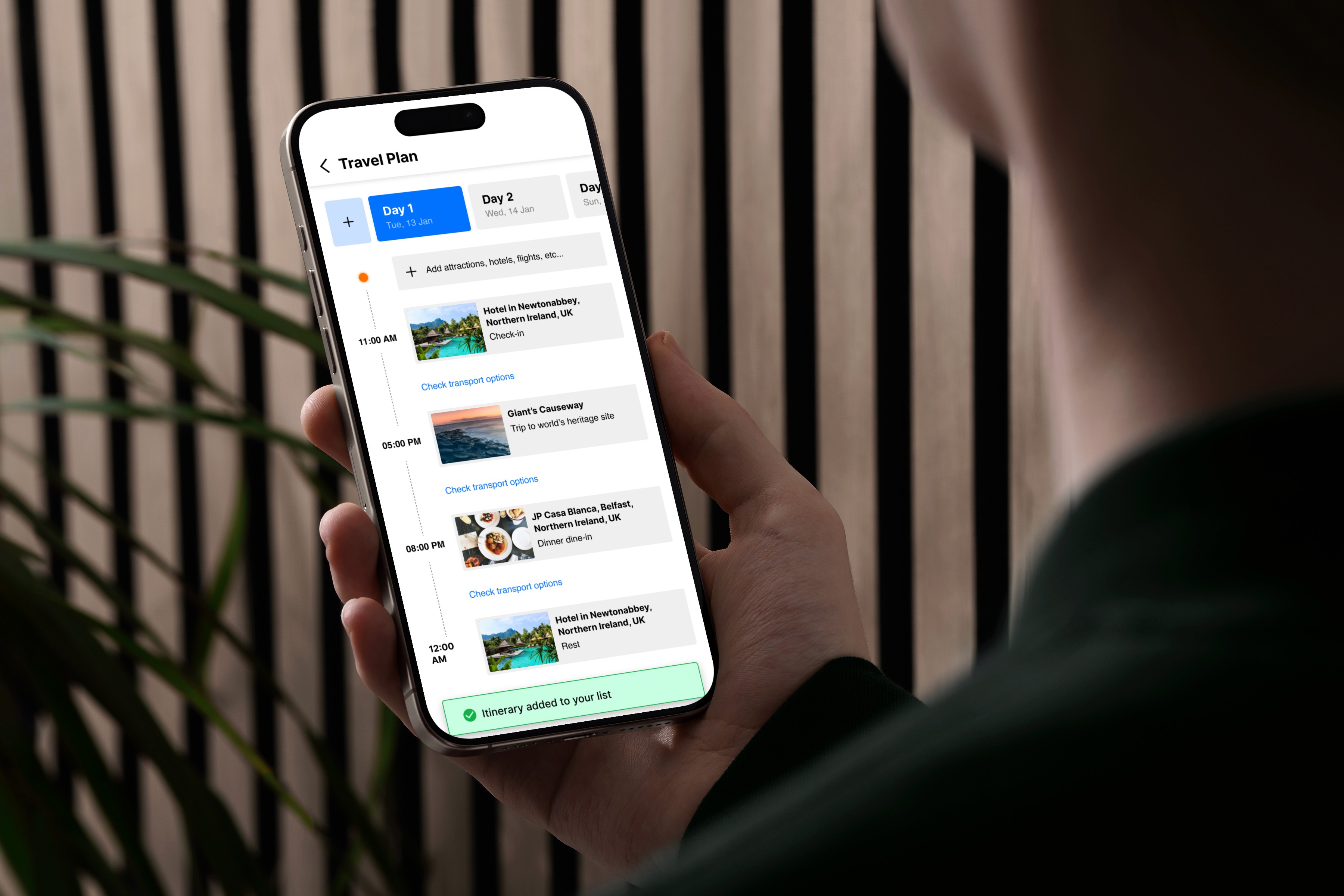
Some of the users mentioned that the 'Add +' button to add an itinerary item wasn't clear and in some cases wasn't visible at all. The users struggled to find how to add a new item. This issue was addressed and changes were made in the design to accommodate the users feedback.
A reference of the redesigned screen.
Specific Contribution
As this was a individual project, I did the end-to-end design & had the benefit of academic supervision. In terms of work and process, I owned the sole ownership of research, synthesis, UX strategy, interaction design, and UI execution.
What went wrong?
One of the findings from talking to fellow users during testing was that users showed lack of trust in storing important documents such as passport details, flight tickets, etc… in a new application. So, I decided to remove this feature from the plan and it saved me significant time to focus on what users needed the most. To prioritise user security, the document storage feature was eliminated from the design phase, focusing on building trust over time.
Designing a COVID-19 updates feature was crucial at the time as it directly addressed user anxiety and built trust. However, by anchoring it too specifically to the pandemic, its long-term relevance faded as travel normalised. Although the idea was to make the system scalable for any geo-specific updates, this flexibility wasn’t clear enough to users. In the future, I'd frame such features more broadly from the start to ensure lasting value beyond immediate events.
Key Learnings
One of my key takeaways from this project was the importance of designing features with both immediate impact and long-term flexibility in mind.
While the COVID-19 updates feature provided strong value during the pandemic, I realized the importance of clearly framing it as a broader geo-specific information hub from the beginning.
In future projects, I’ll ensure scalability isn't just built into the backend—but also communicated clearly to users through flexible labeling, multi-use cases, and modular content strategy. Building for evolving contexts helps the product stay useful and relevant as user needs shift over time.